Canada Home Energy Rebates Guide 2026: Heat Pumps, Insulation and Provincial Programs
A plain-language guide to every home energy rebate and heat pump deal we could confirm in Canada this month: what is open, what is coming, what has closed, and how to avoid paying for a program that is not there yet.
- Checked October 8, 2026
- By Krish Paul
- 11 min read
On this page
Home energy rebates in Canada are spread across more programs than most people can keep track of, and this week Ottawa added another one.
Some are federal. Some are provincial. Some come from your electric or gas utility. A few are retail deals from companies that sell or rent heat pumps. They have different rules, different deadlines and different ways of paying you. Some stack. Some do not.
This guide puts them in one place. Every number below comes from a government or program page we checked on October 8, 2026, and we link each source at the end. Where something has not been announced, we say so.
Chapter 1
The short version: what is open right now
Before the detail, here is the state of play on the day we checked.
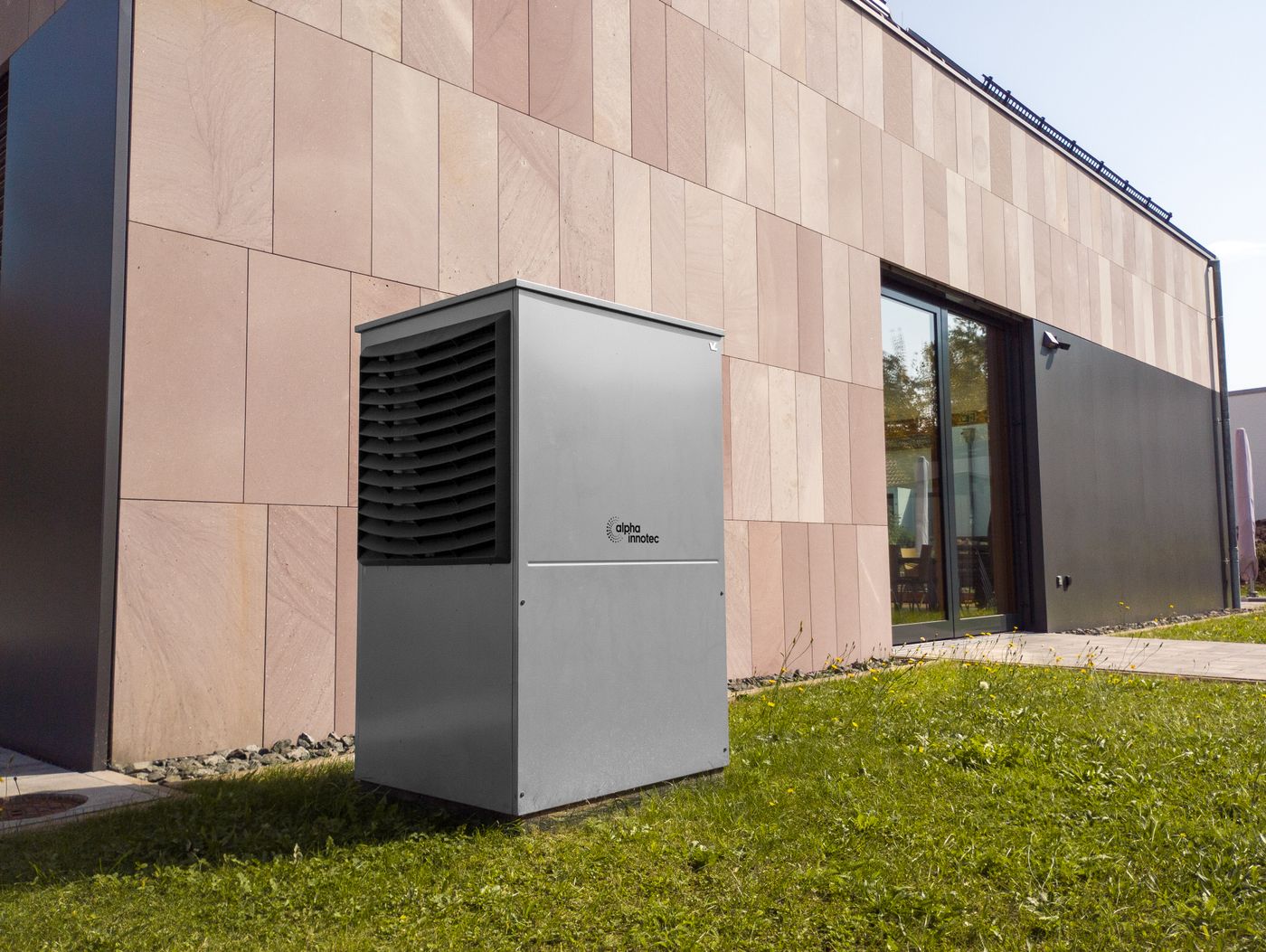
The practical takeaway is simple. If you need a heat pump this winter, the federal rebate will not help you yet, but your province or utility probably can. If you can wait a few months, the new federal money is worth waiting for, because it is designed to stack on top of provincial programs.
Chapter 2
Federal programs
ComingNational Heat Pump Rebate
The Prime Minister announced it on October 8, 2026 as part of a $2 billion plan to retrofit one million homes. Households below median income can receive up to $10,000 toward a heat pump. Other eligible households can receive $2,000. The government says there will be no energy audit before or after installation, and that approval will come within 24 hours through an online portal.
What we do not know yet: the income cut-off, the eligible equipment list, whether work done before launch counts, and the exact opening date. The Globe and Mail reports the program is expected to launch early next year. We cover the details in our full article on the National Heat Pump Rebate.
Closed to new applicantsOil to Heat Pump Affordability (OHPA)
This program paid up to $10,000 to homeowners switching from oil heat to an eligible electric heat pump, with household income at or below the median. Natural Resources Canada says July 31, 2026 was the last day to apply. Applications already submitted continue to be processed, and people approved have until January 31, 2027 to finish the work and upload final receipts.
The scale is worth knowing. As of March 2026 the program had issued 32,128 grants, with an average grant of $11,637, according to NRCan. If you heat with oil and missed the deadline, the National Heat Pump Rebate is the one to watch.
Open by provinceCanada Greener Homes Affordability Program (CGHAP)
This one is different from the others. It does not give you money to spend. Selected organizations plan and complete the retrofit for you, at no cost to eligible low-to-median-income homeowners and tenants. Work can include heat pumps, insulation and air sealing.
You cannot apply to Ottawa. You apply through your province’s delivery partner, and Natural Resources Canada lists these today: BC Hydro and FortisBC in British Columbia, Efficiency Manitoba, the HomeWarming and African Nova Scotian Communities Retrofit programs in Nova Scotia, the Free Insulation Program in Prince Edward Island, and Hydro-Québec’s program for modest-income households. Ottawa announced the rollout in four of those jurisdictions on June 29, 2026.
Chapter 3
Province by province
Provincial and utility programs are where most of the money is available today. We checked the ones below. If your province is not listed, Natural Resources Canada keeps a page of financial incentives by province and territory.
OpenOntario: Home Renovation Savings
Delivered by Save on Energy and Enbridge Gas with the Ontario government. You can bundle upgrades after a home energy assessment, or claim single upgrades with no assessment. Current amounts on the program page:
- Cold climate air source heat pump: up to $7,500
- Ground source heat pump: up to $12,000
- Heat pump water heater: $500
- Attic insulation: $1,250
- Insulation overall: up to $7,700 when bundled
- Home energy assessment: $600 back
- Smart thermostat: $100
- Solar panels and battery storage: up to $10,000
The heat pump amount depends on the size of the unit, and the model must be on Natural Resources Canada’s qualified products list. Confirm the exact rebate for your heating type on the program site before you sign anything.
OpenBritish Columbia: Better Homes BC
BC runs two provincial streams. The Home Renovation Rebate has no income test, and you apply after the work is done by a registered contractor. The Energy Savings Program is income-qualified and can cover more. Amounts depend on your household income, your home and your current heating system, so use the Better Homes BC rebate questionnaire rather than trusting a figure from a contractor’s website. BC Hydro and FortisBC also deliver the no-cost retrofit program described above.
OpenQuebec, Nova Scotia, PEI and Manitoba
Quebec: Hydro-Québec offers no-cost upgrades to modest-income households, including heat pumps, windows, doors and smart thermostats. Governments expect to reach about 25,000 households.
Nova Scotia: EfficiencyOne runs HomeWarming for lower-income households, and about 1,600 more households will get help under the expanded funding.
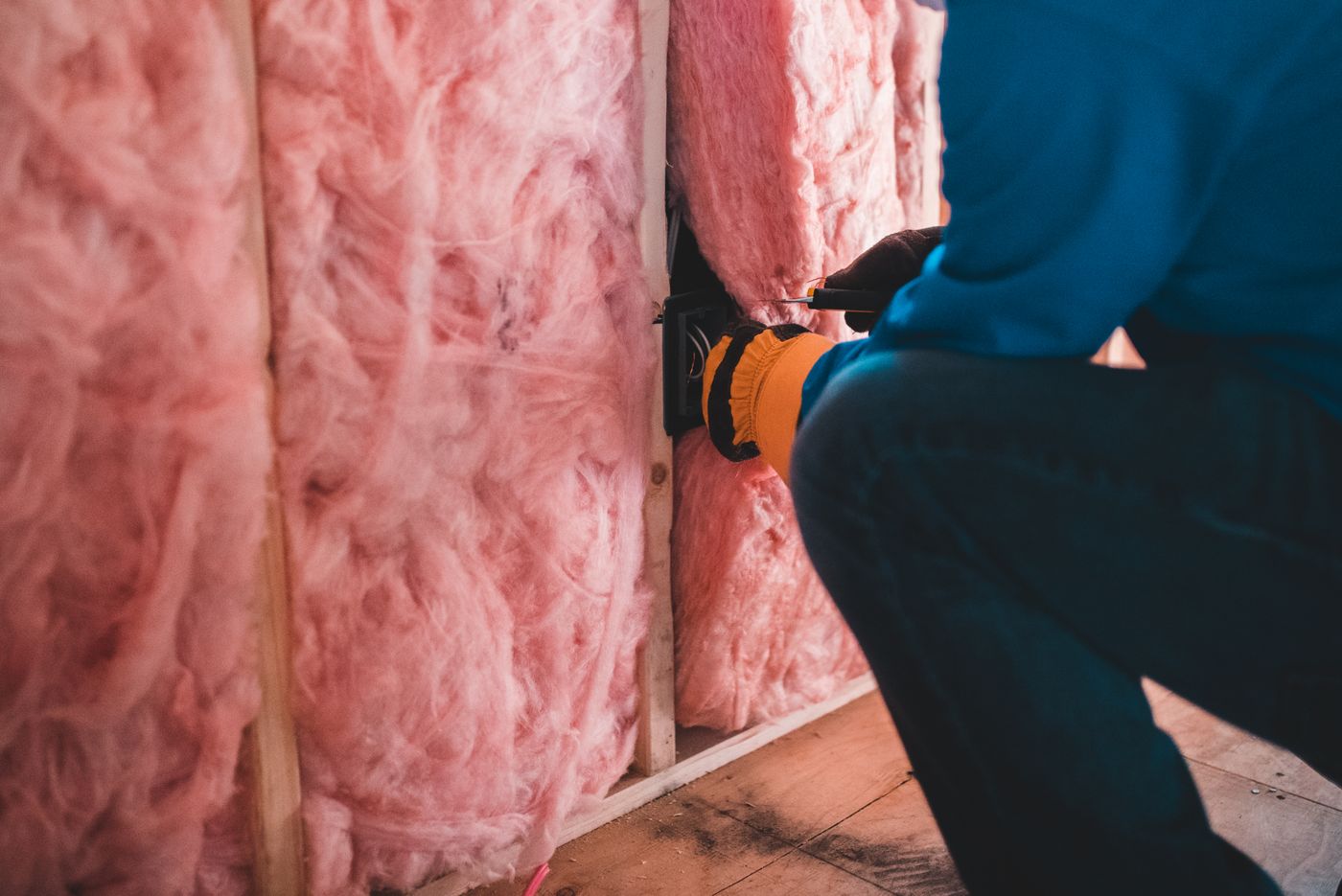
Prince Edward Island: The Free Insulation Program covers attic and basement insulation for income-qualified homeowners, expanding to help more than 1,800 homes.
Manitoba: Efficiency Manitoba delivers an energy efficiency assistance program for eligible households.
Chapter 4
Deals from companies: buy or rent?
Alongside government money, installers and rental companies run their own promotions. Enercare, for example, is offering an Ontario prepaid card of $1,500 to $4,000 when you rent a new heat pump, until October 19, 2026. We cover the terms in our Enercare heat pump rental post.
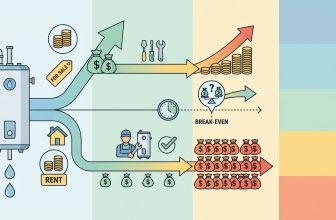
Renting and buying are different products. A rental means a monthly fee and no up-front cost. Buying means you pay (or finance) the installed price, then claim rebates. The federal announcement describes help with buying a heat pump and does not say how it applies to rentals, so ask any provider in writing whether you can still claim government rebates before you choose.
Rent if
You cannot cover the up-front cost, want maintenance bundled in, and are comfortable with a long-term monthly fee. Read the full contract term and the buyout cost.
Buy if
You can pay or finance the installed price, want to own the equipment, and plan to claim rebates. Compare at least three written quotes.
Your seven-step plan
Nothing here costs money, and all of it keeps your options open.
- 1. Work out which situation you are inIs your system failing, or are you planning ahead? If it works, you have time to wait for the federal rebate. If it is dying, use provincial money now.
- 2. Find your household incomeMost programs split by income. Last year’s notice of assessment is the place to look.
- 3. Check your province’s official page firstUse the program sites linked below. Ignore rebate figures on contractor ads if they do not match.
- 4. Ask about approval before work startsMany programs require approval or registration before installation. Do not let a contractor start until you know the rule for yours.
- 5. Get three written quotesAsk for the total installed price, model, capacity, warranty and whether an electrical panel upgrade is included.
- 6. Confirm the model is eligibleAsk the installer to show the model on the program’s qualified list before you sign.
- 7. Keep every documentQuotes, invoices, model numbers and approval emails. You will need them to claim the money.
Chapter 5
Which program fits you?
You heat with oil
OHPA is closed to new applicants. Watch for the National Heat Pump Rebate, and check your province for utility or provincial help in the meantime.
You heat with natural gas
In Ontario, Home Renovation Savings covers gas-heated homes. In other provinces, start with your gas utility and provincial rebate site.
You heat with electric baseboards
Baseboards are a main target of the new federal rebate. Ontario’s program also covers electrically heated homes. Check your province for current amounts.
You have a lower income
Look at the no-cost programs first. Where one is open in your province, the retrofit can cost you nothing, which beats any rebate that you claim after paying.
Chapter 6
Protect yourself from rebate scams
Whenever large rebates are announced, high-pressure sales calls follow. Natural Resources Canada states plainly that it has not approved third parties to contact homeowners unsolicited about its programs. It also says the Government of Canada and its ENERGY STAR and EnerGuide brands never phone, email or knock on doors asking to enter your home to inspect, sell or rent heating products.
For the old OHPA program, the rule was stricter: homeowners had to apply themselves, and third parties, including contractors, could not apply on their behalf. Treat anyone who says otherwise as a warning sign. If a salesperson offers to “lock in” a rebate that has not opened, walk away.
If it has not opened yet, nobody can reserve it for you.Gizly, October 2026
Frequently asked questions
Is the $10,000 federal heat pump rebate available now?
No. The Government of Canada announced the National Heat Pump Rebate on October 8, 2026, but the portal has not opened. Media reports say it is expected to launch early next year.
Can I still apply for the Oil to Heat Pump Affordability program?
No. Natural Resources Canada says July 31, 2026 was the last day to apply. Applications already submitted continue to be processed, with a January 31, 2027 deadline to upload final receipts.
How much is the Ontario heat pump rebate?
Home Renovation Savings lists up to $7,500 for a cold climate air source heat pump and up to $12,000 for a ground source heat pump. The amount depends on the size of the unit installed, and the model must be on the Natural Resources Canada qualified products list.
Can I stack federal and provincial rebates?
The government says the new National Heat Pump Rebate can be combined with existing provincial programs. For any specific program, read its rules or ask the program administrator.
What is the Canada Greener Homes Affordability Program?
It provides no-cost home retrofits, such as insulation and heat pumps, to eligible low-to-median-income homeowners and tenants. You apply through your province’s delivery partner, not to the federal government.
Should I wait for the federal rebate before buying a heat pump?
If your heating works, waiting a few months may be reasonable, but the rules are not published and nothing says work done before launch will qualify. If your system fails, use the provincial or utility program that is open now rather than waiting.
- Sources, checked October 8, 2026: Prime Minister of Canada, news release, October 8, 2026; NRCan, Oil to Heat Pump Affordability program; NRCan, OHPA at a glance; NRCan, Canada Greener Homes Affordability Program; NRCan backgrounder, June 29, 2026; Save on Energy, Home Renovation Savings; Better Homes BC; The Globe and Mail on the launch timing; Enercare heat pump offer. Photos from Pexels.
Important: This guide is general information, not financial or legal advice. Programs, amounts and deadlines change, and some details vary by province, heating type and income. Confirm everything on the official program page before you buy. Gizly is not paid by any government program. We may earn a commission from some links on the site. See our affiliate disclosure.
Send it to a friend, a family member or a coworker with the same question. It takes one tap.
How this page was made: Gizly uses AI tools to help research and draft its guides. Krish Paul, the editor, is responsible for what Gizly publishes. Spot an error? Tell us and we will fix it.
Keep reading

Compare before you switch
Rates and offers checked against each bank’s own page.